BerylElitesX
BerylElitesX is an online platform where fund managers and institutional investors meet, learn and run due diligence. I am the sole designer turning the firm’s separately built e-learning platform and community into one product with one design system.
- Client
- Beryl Consulting Group
- Timeline
- Since January 2026
- Role
- Sole designer: research, information architecture, identity, interface and coded prototypes
- Built with
- Figma, Claude Code, HTML, CSS and JavaScript
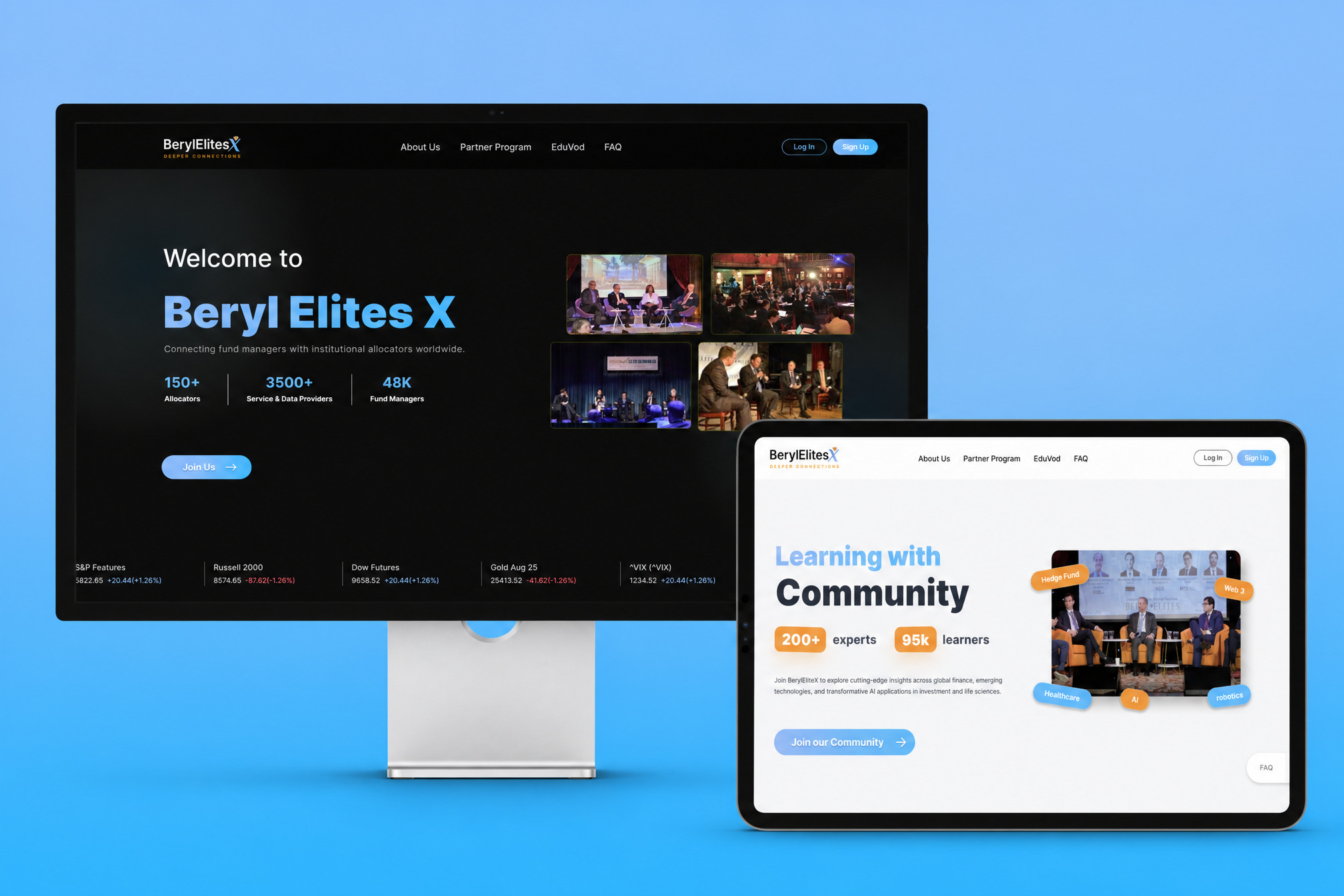
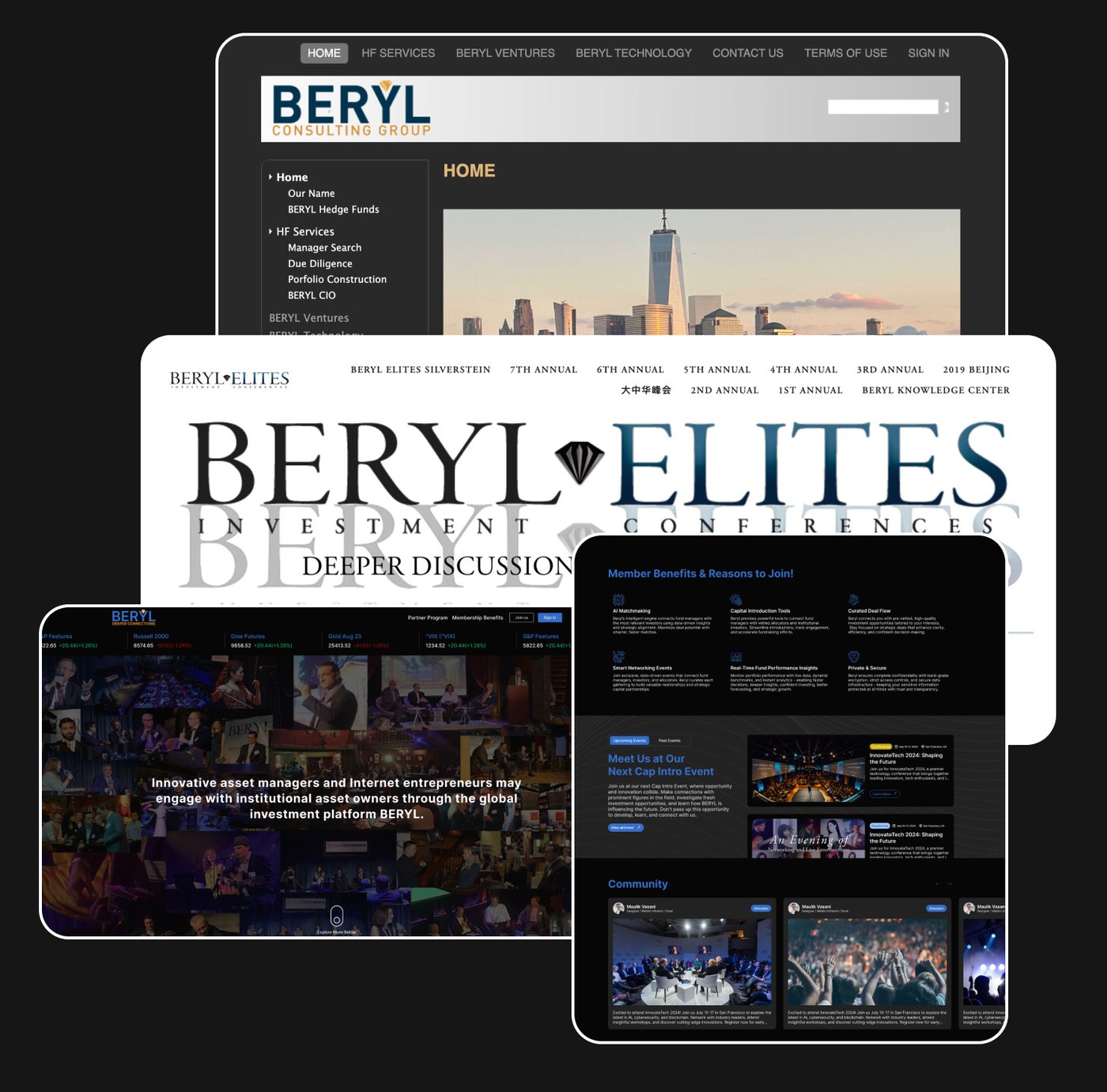
Beryl’s e-learning platform and its community were built separately, with different navigation and no shared design language.
The Beryl Consulting Group runs the Beryl Elites conferences, where fund managers meet institutional investors such as pension funds. EliteX was meant to turn the conference talks into on-demand courses, and the community to keep members in touch between events.
My audit found inconsistent information architecture, misaligned user flows, no landing page for EliteX, course categories that did not match how finance professionals think, and no agreed purpose for EliteX inside the company.
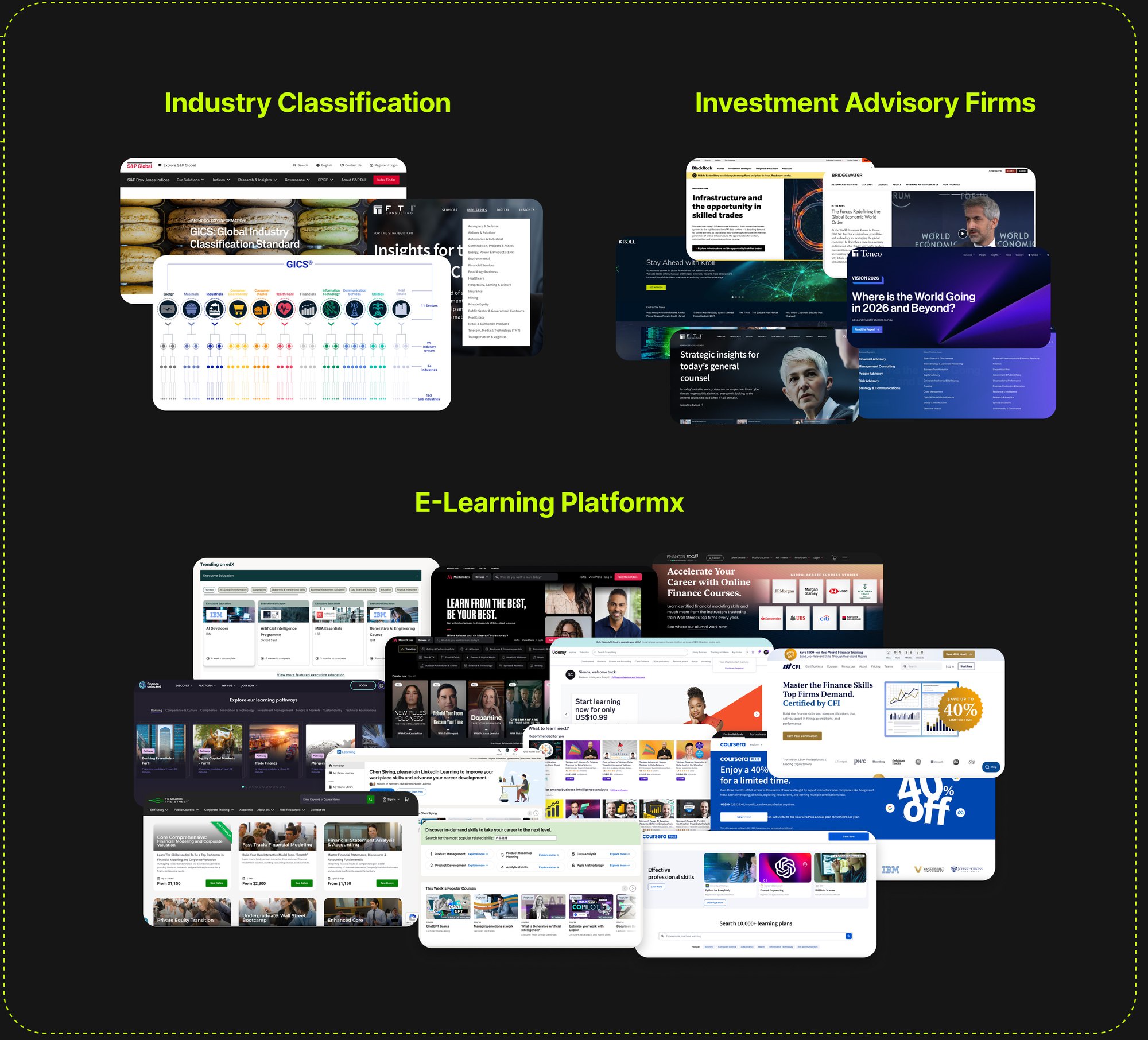
With no access to end users, I combined a competitive audit, expert interviews and a heuristic evaluation.
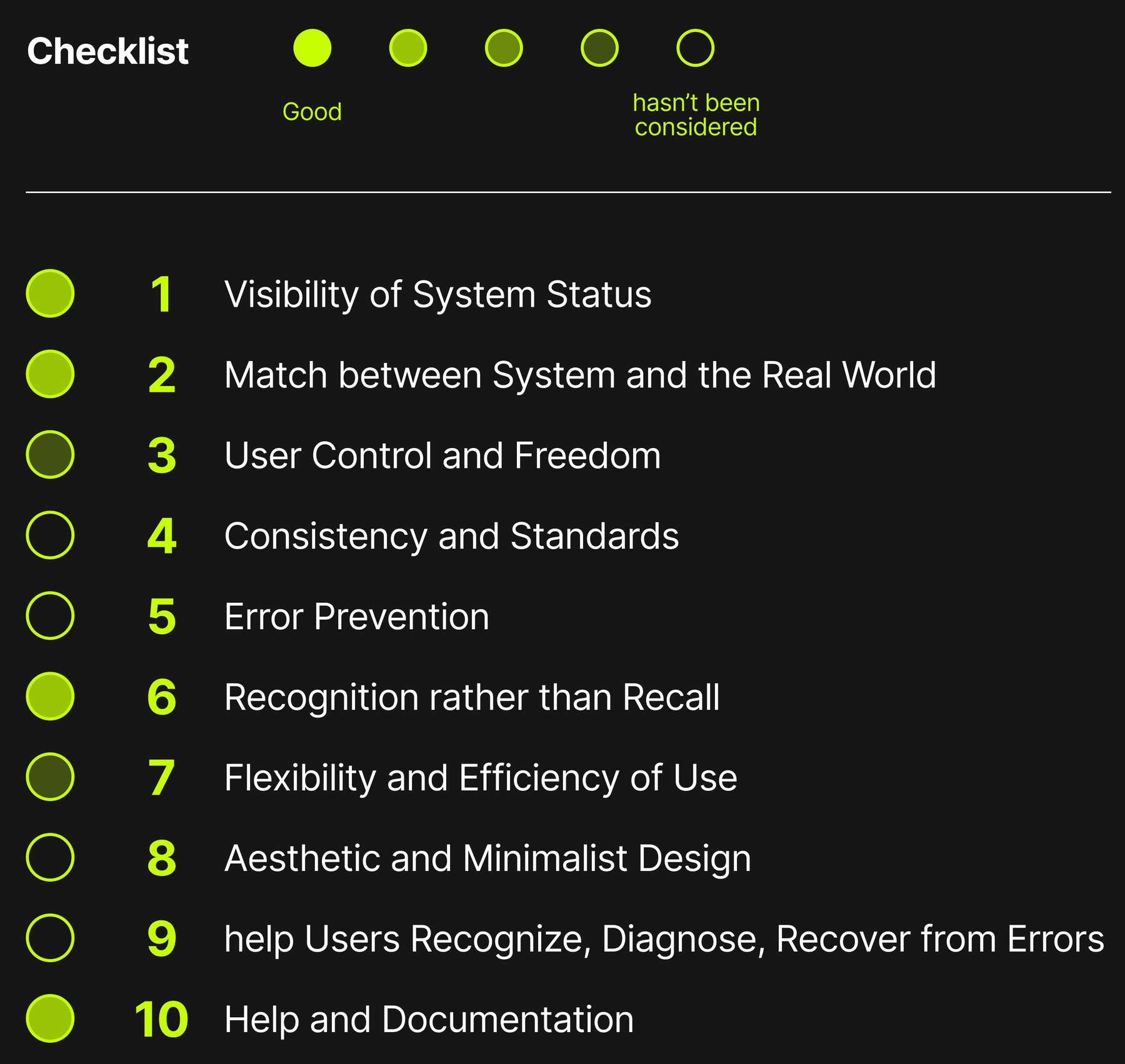
Across more than 50 resources, finance professionals sorted content by the sectors of the Global Industry Classification Standard (GICS), e-learning platforms had no structure specific to investing, and advisory firms put credibility first. Friends with finance backgrounds, interviewed as proxies for users, confirmed that unclear categories made the platform feel less credible. Measured against Nielsen’s ten usability heuristics, no heuristic was fully met.
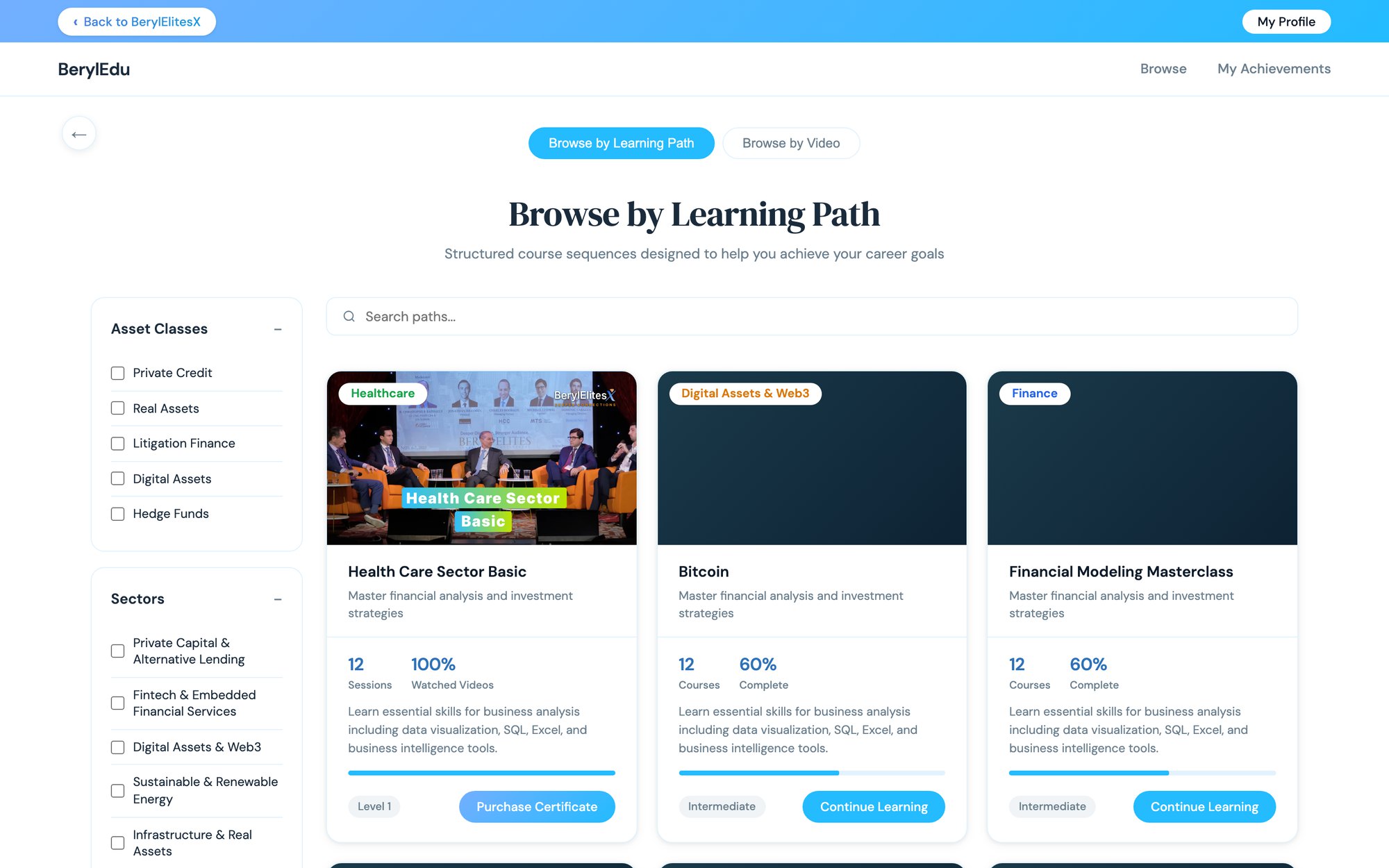
Courses and posts are organised by asset class and by sector, the two ways investors already sort the market.
I restructured how Beryl Elite, EliteX and the community connect, so members move between events, courses and discussions in one product. The learning platform, BerylEdu, offers learning paths by asset class, such as private credit and hedge funds, and by sector, such as healthcare and energy, and community posts are filtered by the same categories.
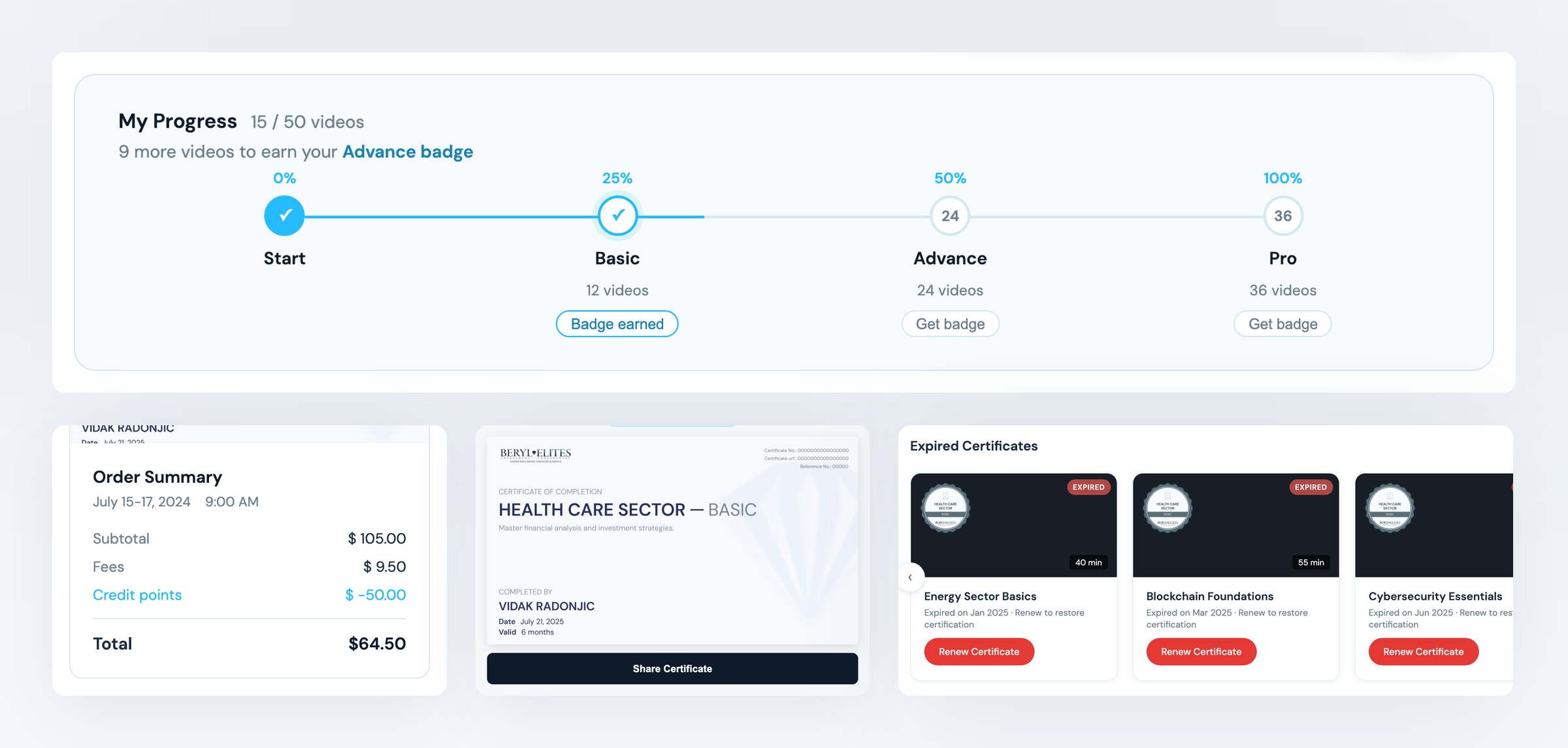
A learning path runs from Basic to Pro, and each level earns a badge and a certificate.
A path shows the learner’s progress toward the next badge: Basic at 12 videos, Advance at 24 and Pro at 36. A completed level can be bought as a certificate, by card or with credit points, and shared. Certificates are valid for six months and can be renewed, because the course content is updated as the industry changes.
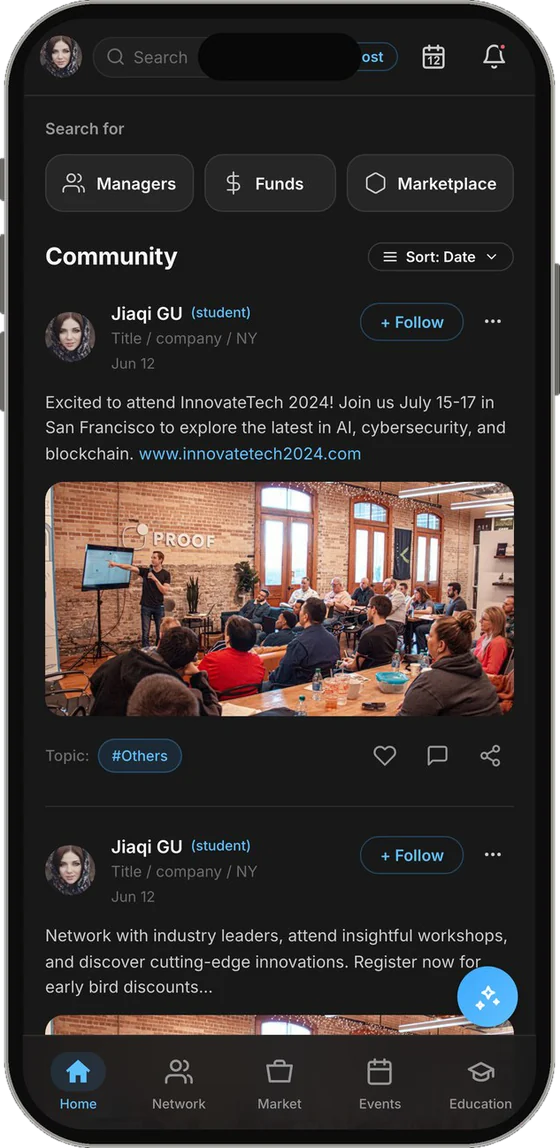
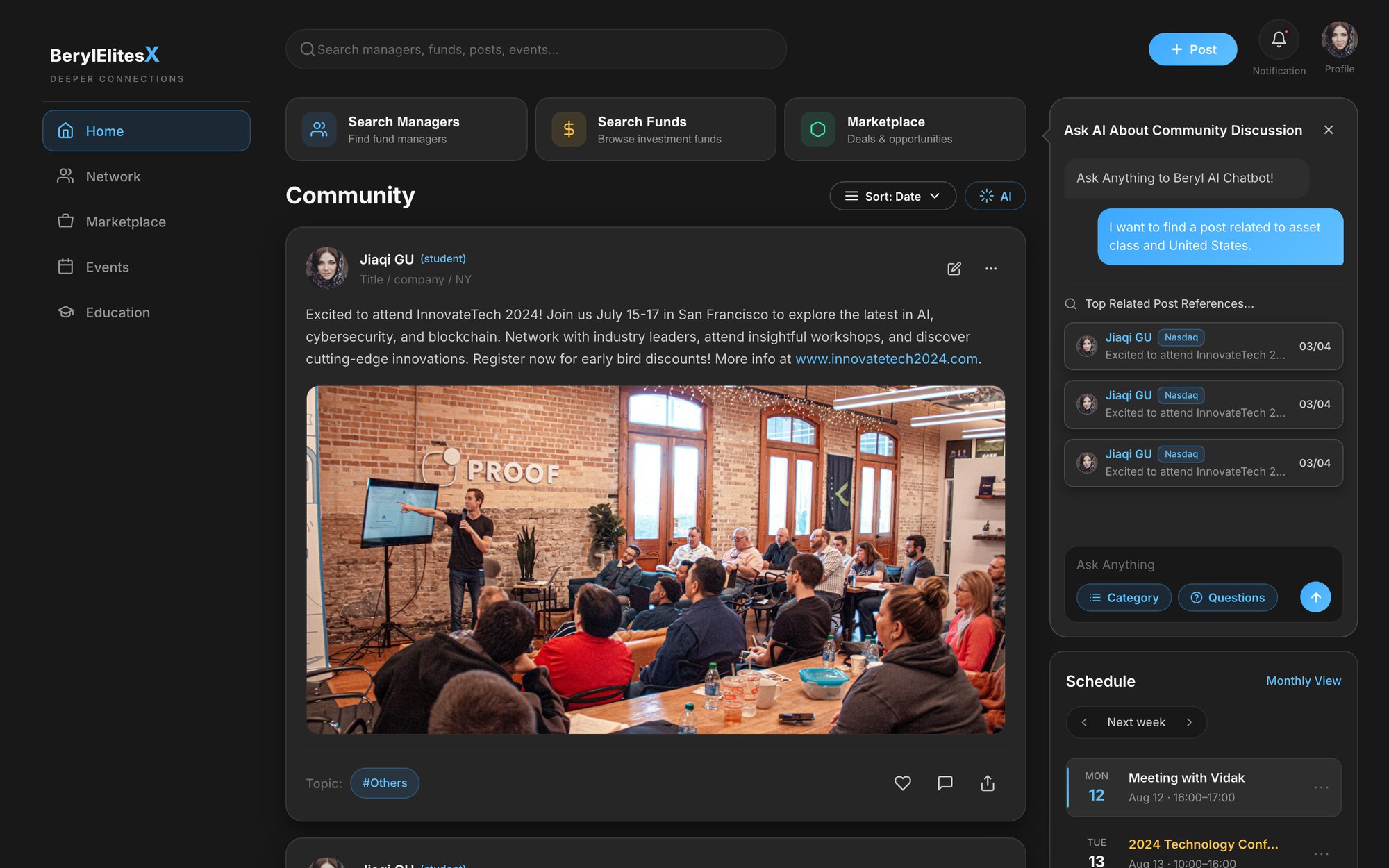
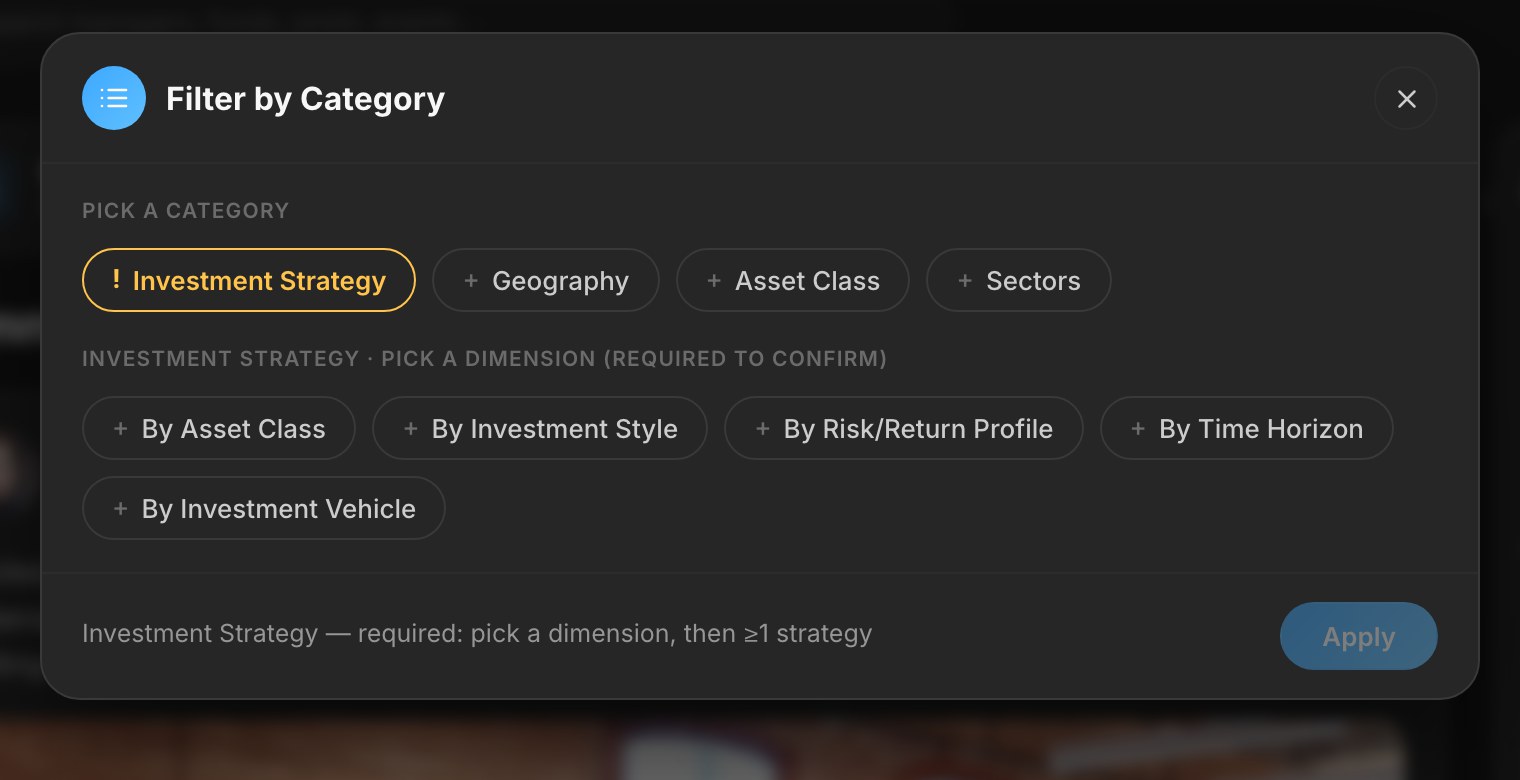
The community feed uses the same categories, and an AI assistant finds the discussions a member is looking for.
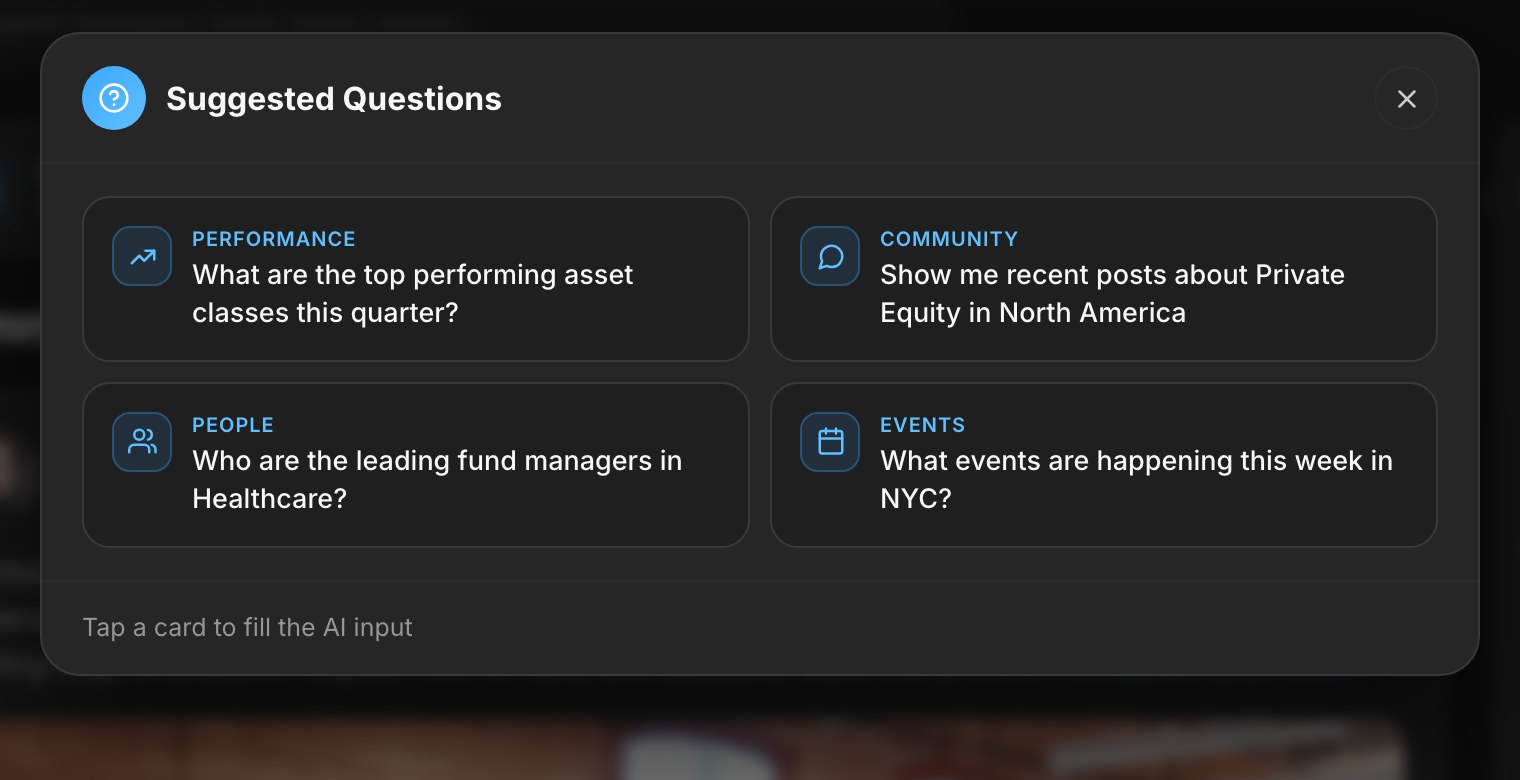
Posts sit beside the member’s schedule, featured fund managers, events and new courses. The assistant answers requests such as “find a post related to asset class and the United States” with links to matching posts, and members can narrow a request by category or start from a suggested question.
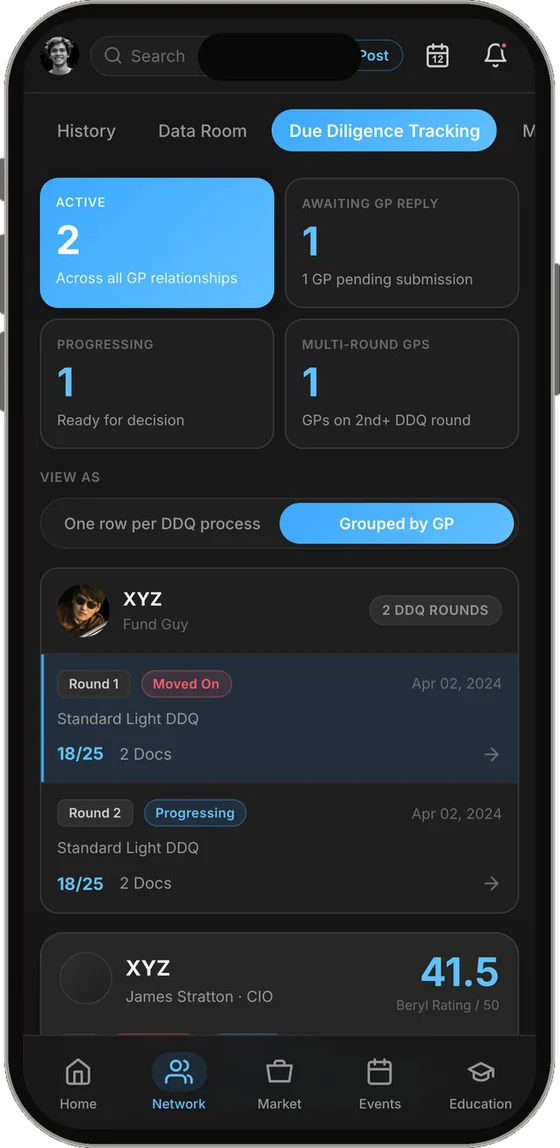
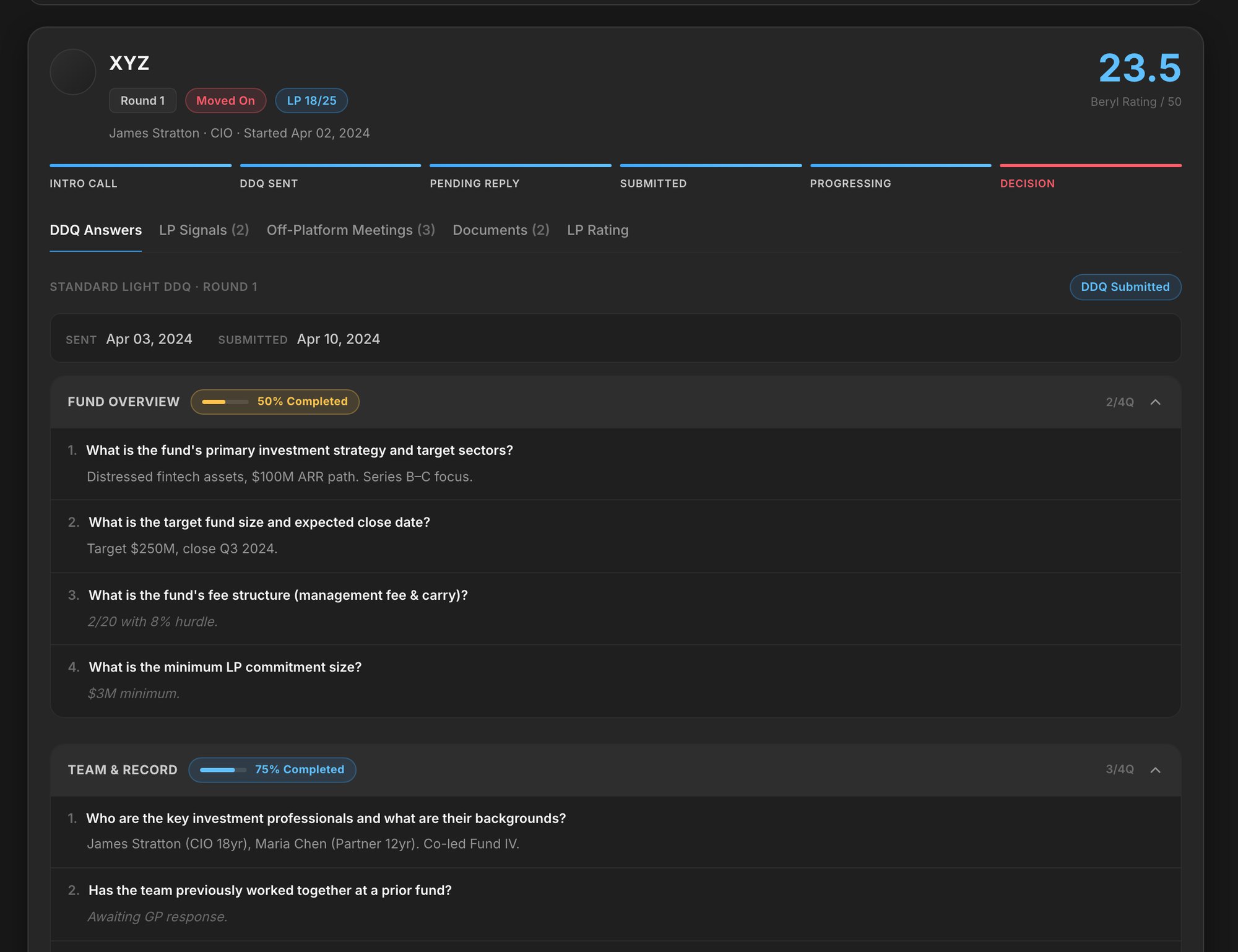
The network workspace tracks each due diligence questionnaire between an investor and a fund manager, round by round.
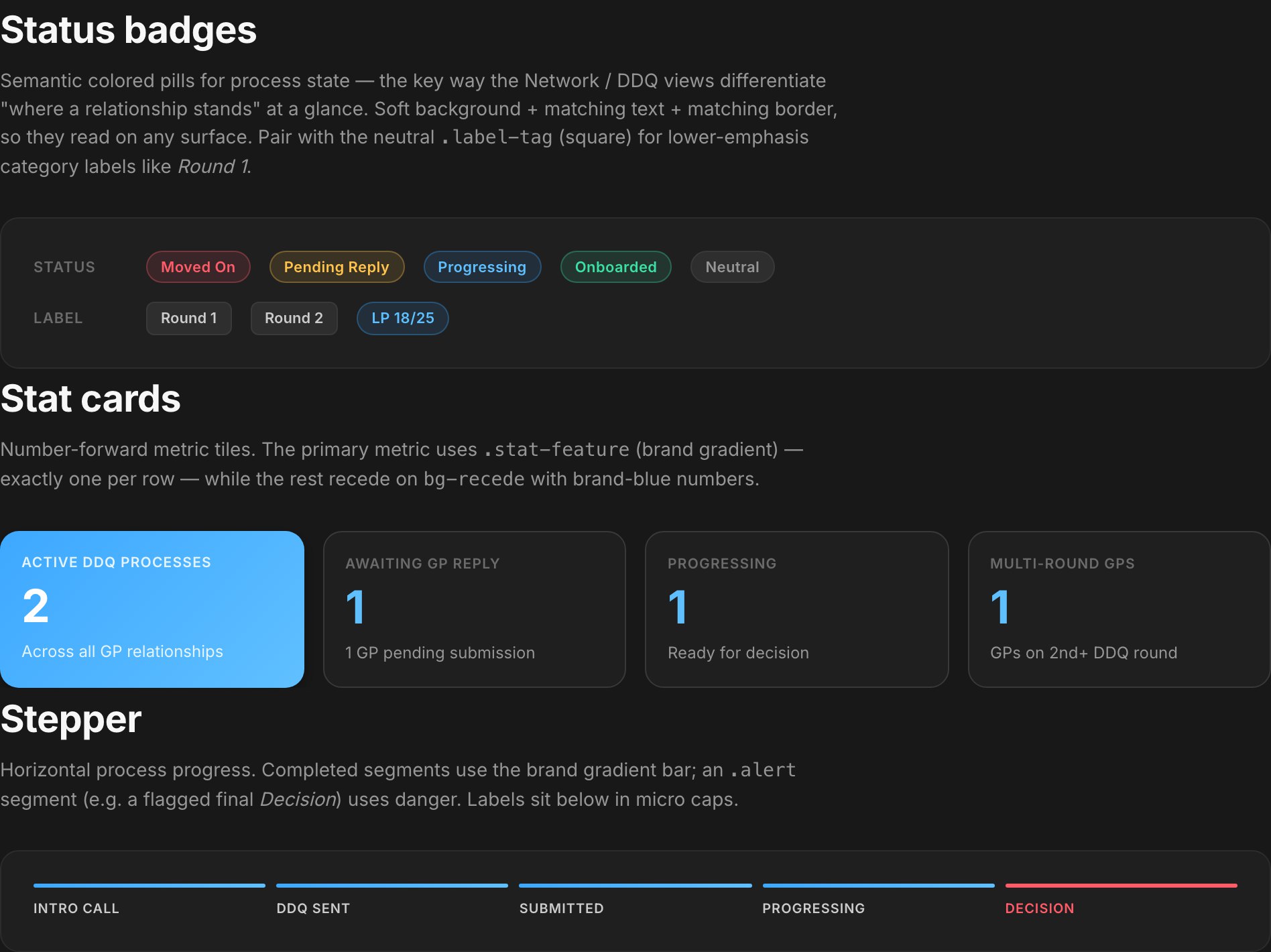
Before investing, an institutional investor, the limited partner (LP), sends the fund manager, the general partner (GP), a due diligence questionnaire (DDQ) about strategy, team, track record and process. The workspace lists each DDQ with its round and status, from pending reply to onboarded. An open DDQ shows its stage from intro call to decision, the answers by section with a completion meter, and the investor’s signals, meetings, documents and rating.
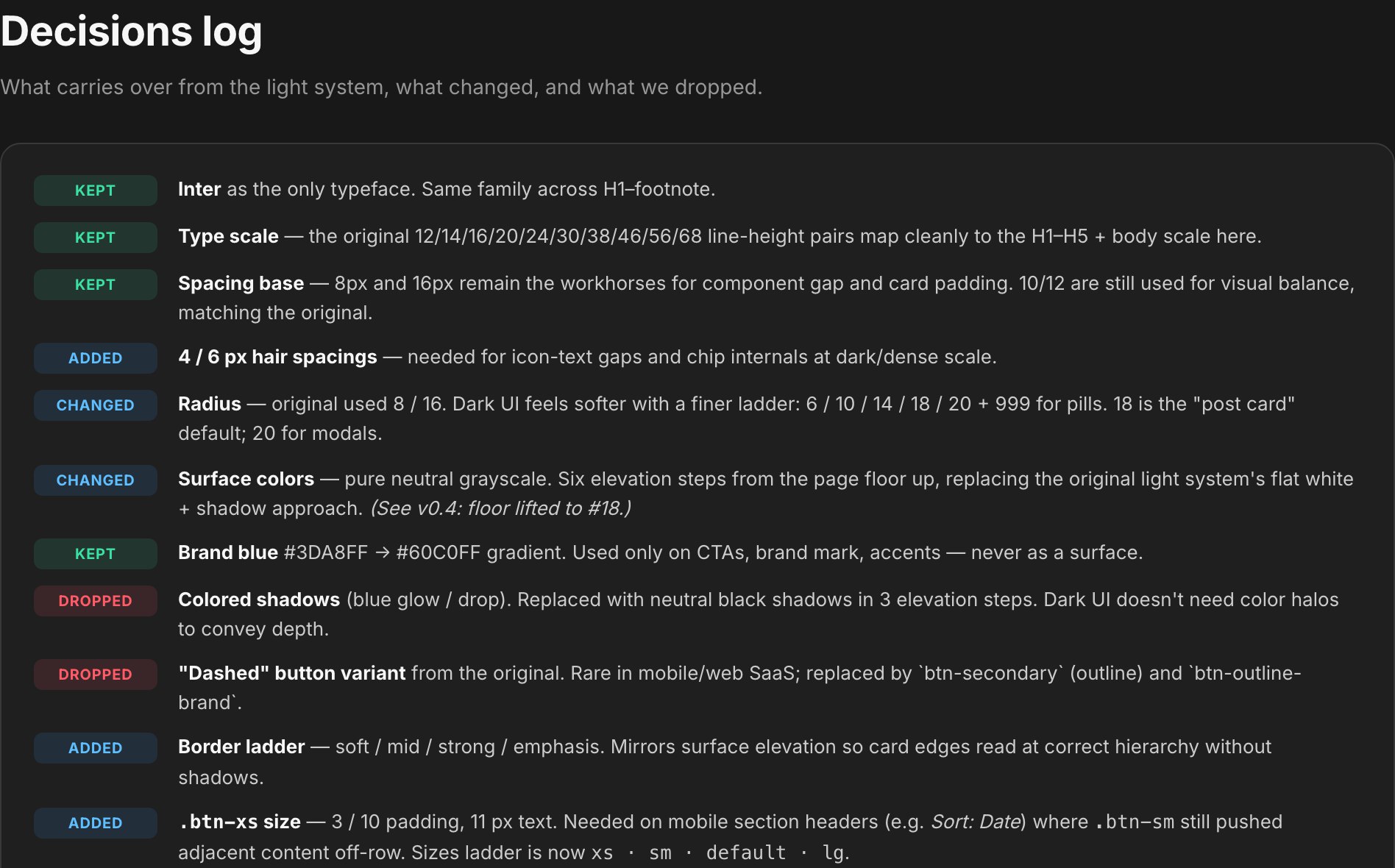
One design system covers both platforms, with a decisions log of what carried over, what changed and what was dropped.
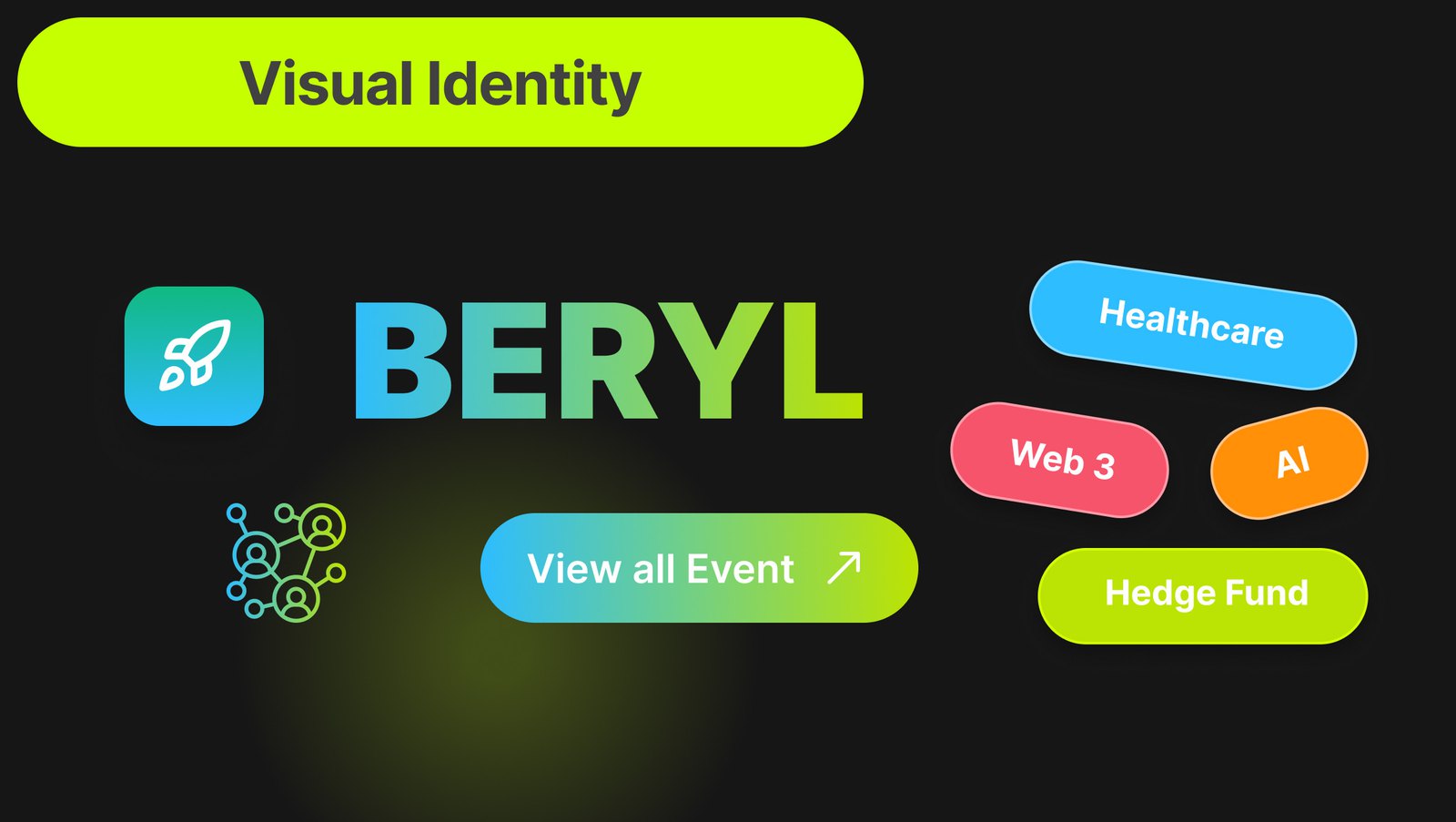
The light system set Inter, a type scale, 8- and 16-pixel spacing and a blue gradient reserved for actions and the brand mark. The dark theme keeps these, replaces the surfaces with a six-step neutral grey ramp, and adds status badges, stat cards and a stepper for the due diligence workspace. Every change is logged with its reason. In version 0.4, for example, the background moved from #0B0B0B to #181818 because the product read too black. The same tokens run the phone layouts.